
BOSTON, MA AND CHESTNUT HILL, MA / ACCESS Newswire / September 28, 2026 / Board-certified plastic surgeon Dr. Sean Doherty now offers Motiva® Preservé breast augmentation at his Boston and Chestnut Hill offices. The procedure pairs Motiva® implants with a set of instruments that create the implant pocket by separating breast tissue rather than cutting it, and it can be performed under sedation or local anesthesia.
Breast augmentation has been among the most requested aesthetic surgical procedures for decades, but the standard version of it does not suit everyone. The traditional approach places a round silicone gel implant partly beneath the chest muscle. For women with a smaller frame who want a modest change in size, that has often meant more surgery, and more volume, than they were looking for.
"Traditionally, the procedure is done with a smooth round silicone gel implant with an incision at the inframammary fold and using some portion of the muscle," said Dr. Doherty. "Women who have a smaller frame and who are looking for a smaller augmentation feel that that procedure traditionally was not for them, so they've shied away from the augmentation procedure."
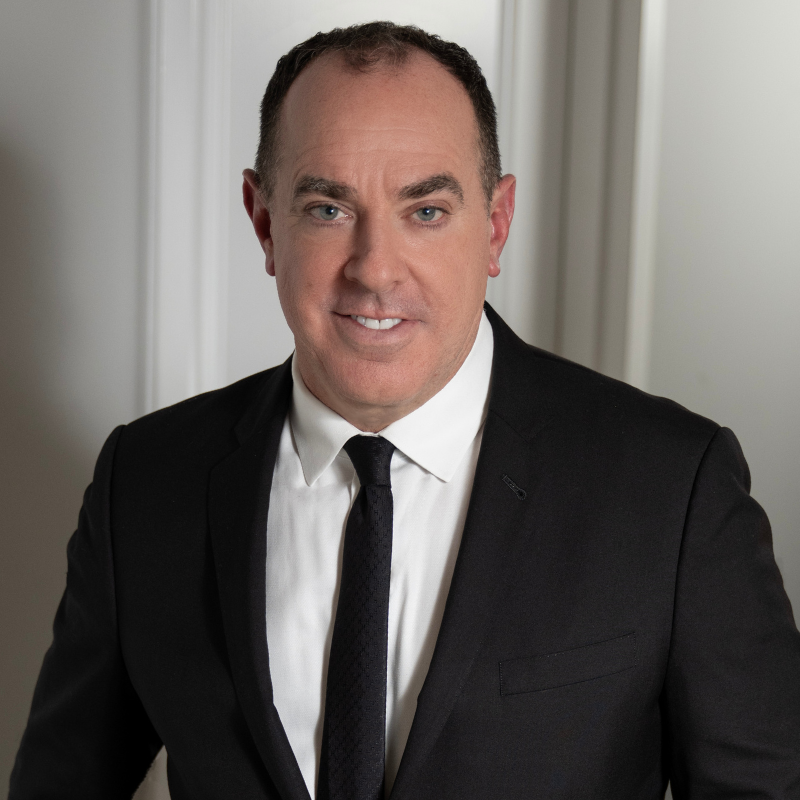
How the Preservé Procedure Works
Motiva® Preservé is performed in an accredited surgery center under sedation or local anesthesia. Dr. Doherty makes a small incision in the inframammary fold, the natural crease beneath the breast, then uses the Motiva® Channel Separator and Motiva® Inflatable Balloon to separate the tissue and create a pocket above the muscle. Because the tissue is stretched apart rather than divided, the technique preserves the structure of the native breast along with the nerves that supply sensation to the nipple. The implant is the Motiva SmoothSilk® Ergonomix® device, a silicone gel implant with a shell designed for biocompatibility, approved by the FDA in 2024 for primary and revision breast augmentation.
The rest of the benefits follow from that approach. The procedure carries less chance of implant malposition, the smaller incision leaves less scarring, and keeping the tissue planes and nerves undisturbed lowers the risk of losing nipple sensation.
"I think this is an excellent option for women who are looking for a smaller augmentation with less recovery," Dr. Doherty said.
Who the Procedure Suits
Candidates are generally in good overall health with a lower BMI and a smaller frame, and they are looking for subtle enhancement rather than significant upper pole fullness. As with any aesthetic procedure, proper patient selection drives the result, which is why Dr. Doherty recommends an in-person consultation before deciding.
"An ideal patient for this procedure has a small frame, has a small breast, and is looking for a small augmentation," Dr. Doherty said. "Someone that is looking for a large volume enhancement or a specifically large upper pole fullness, this procedure might not be for them."
The consultation process covers medical history, lifestyle, and how the patient has healed from past procedures, followed by a physical exam that assesses breast width and height, skin quality and laxity, nipple position, and chest symmetry. Because of the specialized instruments and implant, the procedure typically costs about 20 percent more than a traditional breast augmentation.
Recovery Expectations
Dr. Doherty asks breast augmentation patients to be up and moving immediately after surgery to help reduce inflammation, though he limits strenuous activity for the first two weeks. Most return to their normal routine within the first week and begin light exercise at two weeks, with clearance for more intense exercise at a follow-up visit. Because the muscle is left intact and the incision is smaller, the recovery is generally faster and less uncomfortable than after a traditional augmentation. For patients scheduling around a wedding or another major event, he still recommends six to eight weeks between surgery and the date. He also asks augmentation patients to return annually, and he recommends an ultrasound or MRI every five years to monitor breast health.
Nearly Two Decades of Breast Surgery in Boston
Dr. Doherty has practiced in the Boston area for close to 20 years and has placed hundreds of implants, performing breast augmentation on its own and in combination with a breast lift. He is an early adopter of the Preservé technique.
"I really think one of the benefits of this procedure is that it is allowing a breast augmentation procedure to exist for a certain set of patients that didn't think that was appropriate for them before," he said.
About Dr. Sean Doherty
Dr. Sean Doherty is certified by the American Board of Plastic Surgery and is a Fellow of the American College of Surgeons. He completed his plastic surgery residency at the Lahey Clinic, serving as chief resident in his final year. He then finished a fellowship in laser and aesthetic surgery. He holds hospital affiliations with Beth Israel Deaconess Medical Center and New England Baptist Hospital, and he serves as Associate Medical Director at Cynosure Lutronic. He has been named a Boston magazine Top Doctor and a Castle Connolly Top Doctor, and was included in Newsweek's America's Best Plastic Surgeons 2026. His practice has offices at 69 Newbury Street in Boston and 27 Boylston Street in Chestnut Hill.
Prospective patients can contact the practice to schedule a consultation.
Contact Information
Dr. Sean T. Doherty
Boston: (617) 450-0070
Chestnut Hill: (617) 735-8735
https://www.seandohertymd.com/
SOURCE: Sean Doherty, MD - Plastic Surgeon
View the original press release on ACCESS Newswire