
(BPT) - For 36-year-old Austin, Texas, resident David R., kidney disease was something he never expected. After months of feeling sluggish, nauseous and experiencing cramping in his hands and feet, he made an appointment to see his doctor to discuss his health. However, just two days before his appointment, the pain moved to David's abdomen, and he was raced to the emergency room.
"I thought I was dehydrated," David recalled. "But the doctors said I had stage 5 kidney failure."
Following his diagnosis, David was empowered to take charge of his kidney health, partnering with his doctor to learn more and develop a care plan to manage his condition. Several years into dialysis, David was matched with a living kidney donor and received a kidney transplant.
Now, 17 years into his kidney health journey, David's sharing his experience to encourage at-risk adults to prioritize their health through It Takes 2™ - a health initiative bringing awareness to the importance of testing and early diagnosis of chronic kidney disease (CKD) to help reduce long-term complications.
Who is at risk for CKD?
David's story isn't unique. According to the Centers for Disease Control and Prevention (CDC), more than 35 million adults in the U.S. have CKD. Like David, most people (90%) with CKD don't know they have it and many don't experience symptoms until their disease is in its advanced stages.
There's no single cause of CKD. However, diabetes and high blood pressure are responsible for up to two-thirds of kidney disease cases. Also, some populations, including Black, Hispanic and Latin Americans, are likely to have a greater incidence of risk factors for kidney disease and more barriers to accessing primary care.

"Hispanic and Latin Americans are at higher risk for CKD. I know this because I'm living it," said David. "As a former dialysis patient and kidney and liver transplant recipient, I know how difficult it can be to access the resources and support. In fact, my father experienced and unfortunately passed away from kidney failure as a result of his diabetes, and my mother recently passed away after six months of dialysis."
Detecting kidney disease takes two tests and two people
It takes two tests - a blood test called eGFR and a urine test called UACR - to get the full picture about CKD. However, most people who are at risk of developing CKD are not receiving regular, complete testing. One study found that less than 20% of patients at risk for CKD between 2013 and 2019 received complete testing for it.
"Looking back, I wish I'd been armed with the resources and support to get tested sooner," said David. "That's why I am proud to join the It Takes 2™ program, to empower people, like me, who are at risk of developing kidney disease, to prioritize their health by talking to their doctor about complete testing, including UACR testing." Along with the eGFR blood test, the UACR urine test may also help uncover risk for cardiovascular disease.
Today, David works with nonprofits, medical organizations and policymakers to help others living with kidney disease and encourages those with a higher risk of developing CKD to talk to their doctor.
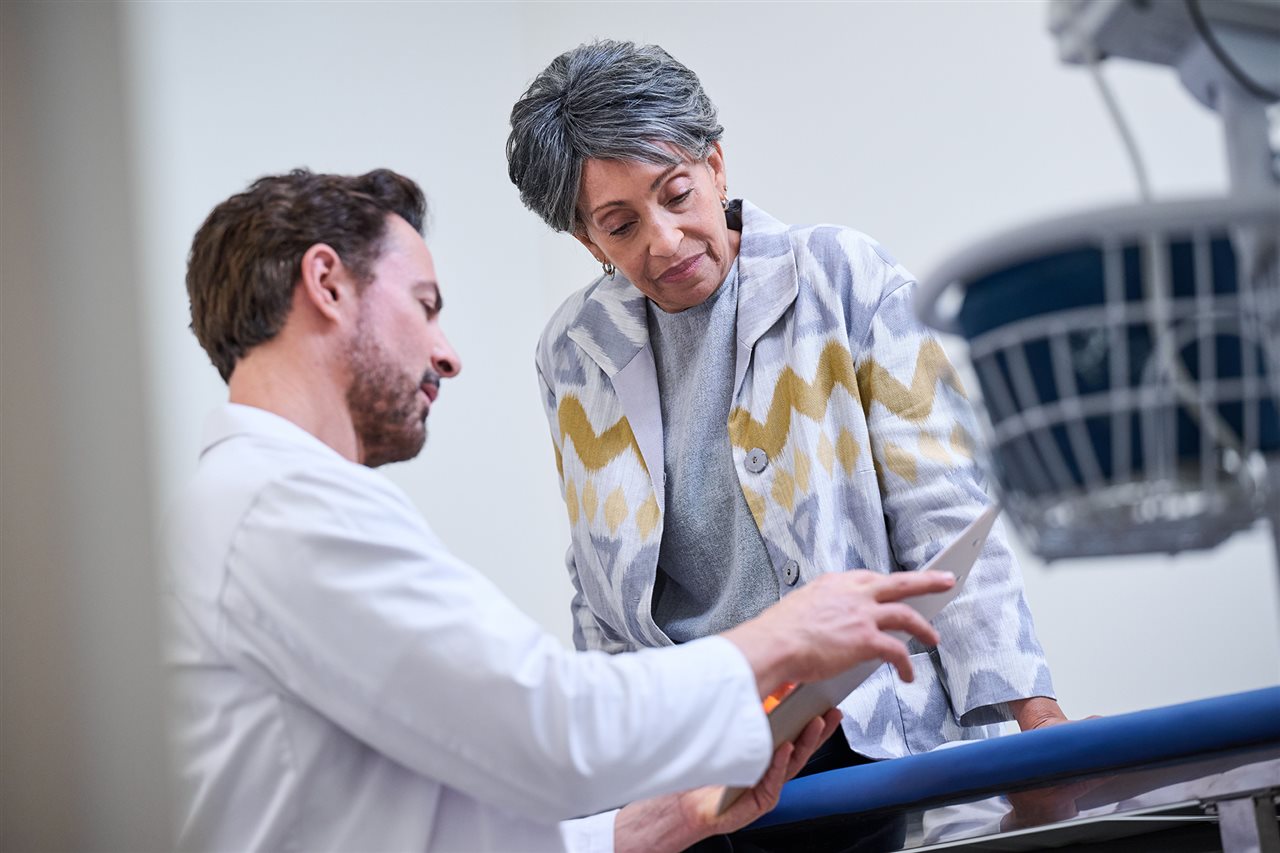
"Remember, it takes two - you and your doctor - to detect kidney disease and cardiovascular risk," said David. "Knowledge is power, and working with your doctor to test for kidney disease is one step toward achieving that."

Learn more about the resources available and the importance of complete testing for kidney disease by visiting www.TestYourKidneys.com.